

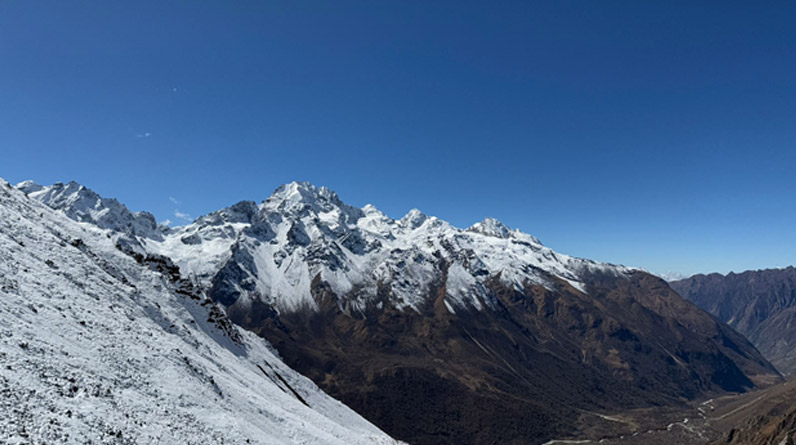
High up at 5,364 meters, the air pressure near Everest Base Camp drops to half of what it is at sea level. Though oxygen still exists there, its thin spread demands quiet changes inside the human system. Common stories treat height like something to overcome. Yet beneath those narratives lies a subtler process – how living tissue adapts without notice, while minds fixate on peaks and images. What happens inside isn’t about strength of mind – it’s chemistry playing out over time. As breathing speeds up, the body adjusts its internal acidity when kidneys release extra bicarbonate into urine. In response, these organs also secrete a hormone that boosts red blood cell creation. Meanwhile, tiny vessels within muscles gradually grow thicker in number. Such shifts do not remove risk – sickness at height defies prediction – yet reveal one truth: change runs through every part, not just appearances.
The Trail and the Moving Glacier
Starting near Lukla, the path to Base Camp covers about 130 kilometers in a single direction, passing through woodlands thick with rhododendrons before reaching terrain carved long ago by glaciers now silent. Following the Dudh Koshi waterways, it climbs steadily, these streams sustained by melting ice from the Khumbu Glacier – Nepal’s most extensive icy mass, which also supplies runoff shaping the higher stretches of the camp’s location. Though many assume otherwise, the exact spot known as Base Camp changes each year; immobility does not apply here due to shifting ice structures that alter ground conditions beneath. Because glacial retreat continues slowly, the earth adjusts unevenly underfoot. Each season, tents shift location due to changing snow conditions and cracks in the ice. Though they seem provisional, these structures house many for extended periods before monsoon rains begin – an odd permanence within transience. Their function persists despite their movable nature. Appearances suggest impermanence; reality proves otherwise.
Wind, Weather, and Mountain Breath
It is rarely noted that local wind flows affect more than just daily forecasts – they shift the makeup of the air itself. Blocking the subtropical jet, the Himalayas force shifts in airflow, forming areas where winds collide and others where they pull apart. During spring months, winds from the west prevail, driving humid currents into the southern face. Moisture gathers by midday, leading to thickening skies called “mountain breath” in common speech – fog rises steadily, covering peaks each day on a clocklike pattern. Those who overlook such patterns frequently get timing wrong. Instead of relying on charts, moving through terrain means interpreting how sunlight strikes stone, where darkness gathers – knowledge gained slowly, never listed among equipment.
Tea Houses and High-Altitude Limits
High up, tea house operations face hidden limits. When the sun shines, solar panels feed battery banks – still, stored power does not last long. Boiling water serves more than cleanliness; it responds to thinner air. With every rise in height, liquids vaporize sooner. Near Lobuche, at 4,940 meters, steam rises at roughly 88°C. Lower heat means germs might survive unless pots simmer longer. While certain lodges apply extended heating or chemical purification, such practices differ widely. Drinking warm beverages may lead to digestive discomfort intensified by elevation – an added burden rarely highlighted in clinical records.
Trails, Erosion, and Sherpa Repair Work
Over time, repeated walking alters landforms quietly. Where trails grow narrow from use, earth becomes denser underfoot, limiting how deeply rain soaks in. When ice briefly softens, water flows faster across bare stretches previously cracked by cold and warmth. Repairs along these routes depend mainly on experienced Sherpa laborers who rebuild stonework without mortar, following methods taught long ago within families. Despite steady work ensuring natural processes continue undisturbed, reliance on local methods avoids outside inputs, keeping water flow intact across inclined terrain. Still, rising visitor numbers challenge existing limits – development advances step by step, never surging ahead.
Monasteries and Ancient Movement Routes
Cultural landscapes fit practical arrangements shaped by terrain. Not merely spiritual sites, monasteries such as Tengboche Monastery serve as subtle markers guiding gradual ascent. Situated along ancient pathways, their location predates today’s tourist patterns. With changing seasons, those who carried salt across high plains adjusted movement based on how long snow remained. Hidden within today’s mountain paths are echoes of movement shaped long ago by need, not choice. Markings around spinning wheels speak quietly of travels gone before – fragments overlooked when stories focus on summits reached now. These traces linger under modern claims of achievement, just out of sight.
Mountains Born from Ancient Seas
Young in geological terms, the mountain known as Mount Everest or Chomolungma emerged through continental forces more than fifty million years ago. From ocean sediments long buried, limestone and marble now appear at Kala Patthar, lifted high by deep earth movements. Where tourists pause for wide-angle views, layers of ancient seabeds are exposed like pages in a book opened sideways. Tilting rock formations suggest pressure continues beneath the surface, reshaping what seems solid and fixed. Northeast drift, measured precisely via satellite tracking, reveals slow but steady motion across the crust each year. Change defines what seems unchanging. Slow movements reshape scenes believed fixed.
Paperwork and Precision Before Departure
Readiness involves more than physical training. When traveling alone, individuals can acquire necessary access documents via approved Kathmandu offices or government-run web services; group excursions demand licensed leaders by law. Among the materials needed are scanned identification pages, recent images, a Trekkers’ Information Management System record, and proof of environmental zone contributions. Two working days represent the shortest wait time – mismatched entries often have slow completion. When commas appear in the wrong place within names, applications fail. Documents showing conflicting dates result in denial, stopping travel plans. Precision in paperwork carries weight similar to physical preparation. Errors delay movement just as injuries do.
Smell, Memory, and the Mountain Landscape
Most people do not think about smells when they travel. High mountain air has almost no scent because low temperatures limit the release of natural compounds. Reaching Namche Bazaar changes this – juniper smoke brings a sudden, biting note unknown above. Further along, by Dingboche, sun-dried yak manure resting on rock adds depth through soft ground-like notes. Occasionally, scent traces fix memory in place, separating one hillside settlement from another following multiple climbs. Without conscious effort, odors guide direction when visual cues fade across flat landscapes.
The Slow Shift in Thought and Sleep
Stillness eludes measurement here. Above 4,500 meters, heartbeat rhythms grow less variable, step by slow step. Sleep breaks apart; dreaming phases shrink while wakeful moments rise, regardless of altitude illness. Thought slows without warning – pauses in speech, hesitation reading basic markers. Not collapse. But messages coded in brain function, arriving well ahead of breaking point.
Noticing What Images Cannot Hold
Change shows slowly, almost invisible to images. Between breath and wind, custom and landscape, roads and solitude – the links appear only over time. Arrival matters less than noticing shifts no snapshot can hold.